


Toxins are often imagined as rare substances found only in polluted rivers, industrial waste sites, or chemical laboratories. In reality, they are woven quietly into everyday life. They enter the body through the air we breathe in traffic, the packaging that touches our food, the drinks we rely on for energy, and the meals we consume without much thought. The modern environment exposes the human body to a constant background of chemical stress, not through dramatic single events, but through small, repeated choices made day after day.
The human body is not fragile by design. The liver, kidneys, colon, lungs, and skin work together as a highly coordinated detoxification system, filtering harmful substances and escorting them out before damage can occur. Under normal conditions, these organs manage daily exposure remarkably well. Problems begin when exposure is no longer occasional but constant. When the same substances are introduced repeatedly, especially through food and drink, the system becomes overloaded. Detoxification slows, toxins accumulate, and subtle dysfunctions begin to appear.
What makes dietary toxins particularly concerning is how directly they enter the bloodstream. Anything swallowed, inhaled, or absorbed through mucosal membranes bypasses many external defenses. Over time, this direct access allows certain compounds to build up inside tissues, interfering with hormones, digestion, metabolism, and immune response. The effects are rarely immediate. Instead, they show up years later as chronic fatigue, stubborn weight gain, digestive disorders, mood instability, cardiovascular strain, or inflammatory diseases that seem to appear without a clear cause.
Many of the substances that place the greatest toxic burden on the body are not illegal, rare, or exotic. They are socially accepted, heavily advertised, and often associated with comfort, productivity, or celebration. Coffee to stay alert, bread to feel full, packaged foods to save time, alcohol to relax, and snacks to reward ourselves all seem harmless in isolation. Consumed repeatedly and without moderation, however, they create a biochemical environment that slowly works against long-term health.
This article looks closely at ten commonly consumed substances that quietly stress the body’s detox systems. Some are obvious offenders, others are rarely questioned. Understanding how they affect internal balance is not about fear or restriction, but awareness. With that awareness comes the ability to make informed choices that reduce toxic load, support organ function, and preserve health over the long run.
Top Ten Toxins We Consume Every Day
Caffeine
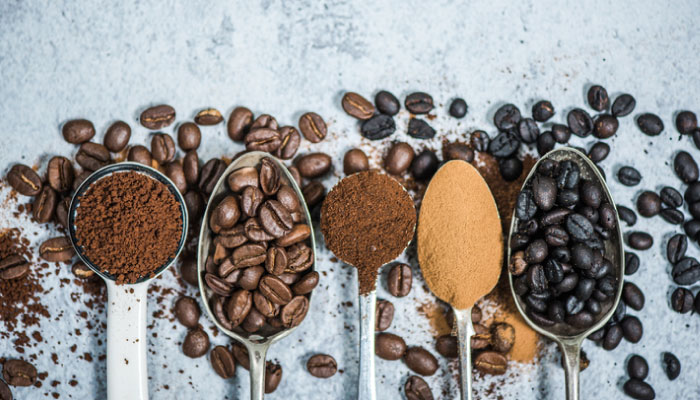
Caffeine is often treated as a harmless productivity tool. Coffee, tea, sodas, and energy drinks are used to stay alert, focused, and mentally sharp. In the short term, caffeine raises adrenaline and blood sugar levels, creating a temporary sense of energy and clarity. The cost of that stimulation is paid by the adrenal glands.
Repeated caffeine consumption forces the adrenal glands to work harder and more frequently. These small glands sit above the kidneys and regulate critical hormones involved in stress response, electrolyte balance, metabolism, and inflammation. Over time, constant stimulation can exhaust their ability to function efficiently. This exhaustion often leads to dependency, where the body demands more caffeine simply to feel normal.
Caffeine also interferes with the body’s ability to regulate carbohydrates, fats, and proteins effectively. While moderate use may not cause immediate harm, chronic overuse contributes to anxiety, sleep disruption, hormonal imbalance, and energy crashes. Supporting long-term health requires recognizing caffeine as a stimulant with biological consequences, not a neutral beverage.

Excessive carbohydrates and constant bread consumption
Bread is a staple in many diets and often consumed at every meal without a second thought. When eaten in excess, especially in processed forms, bread can contribute to digestive stress and inflammatory responses. Certain proteins in wheat may cross the intestinal barrier and enter the bloodstream, triggering immune reactions in sensitive individuals.
Regular overconsumption may lead to headaches, fatigue, skin issues, digestive discomfort, and mood disturbances. Highly processed breads also contain yeast and additives that disrupt the natural balance of gut bacteria. When this balance is disturbed, infections and chronic inflammation become more likely.
Reducing bread intake and choosing whole, minimally processed grains helps maintain fiber intake while supporting digestive health. Moderation allows the body to process carbohydrates efficiently without overwhelming detox pathways.

Colas and sweetened soft drinks
Cola drinks are often associated with comfort, refreshment, and convenience. Their appeal comes from sugar, carbonation, and caffeine working together to stimulate the nervous system. The downside is significant. High sugar content spikes blood glucose levels rapidly, followed by crashes that cause headaches, fatigue, and irritability.
Diet versions avoid sugar but introduce artificial sweeteners. These compounds break down into substances that place chemical stress on the body. Regular consumption has been linked to metabolic disruption and digestive discomfort. Carbonated beverages can also reduce stomach acid production when consumed around mealtimes, impairing digestion.
Replacing soft drinks with water or lightly carbonated mineral water reduces toxic load and supports digestive function, especially when consumed away from meals.

Pastries and sweet desserts
Pastries, pies, and baked desserts often appear harmless, especially when fruit is involved. In reality, these foods deliver large amounts of refined sugar and saturated fats with minimal nutritional value. The liver bears the burden of processing excess sugar and fat, leading to metabolic stress.
Frequent consumption raises blood sugar levels and contributes to insulin resistance over time. While occasional indulgence is unlikely to cause harm, regular intake places unnecessary strain on detox organs. Treating pastries as rare treats rather than daily snacks significantly reduces their toxic impact.

Canned foods and metal exposure
Canned foods are often marketed as practical solutions for busy lifestyles. They are easy to store, quick to prepare, and widely available. The hidden issue lies in the container rather than the food itself. Metals and chemical linings used in cans can migrate into the food, especially when the contents are acidic or fatty
Fruits preserved in syrup and tomato-based products are particularly effective at leaching substances from metal surfaces. Oily foods such as canned tuna absorb residues even more readily. Once inside the body, these metals are difficult to eliminate. The liver does not detoxify metals efficiently, allowing them to interfere with mineral absorption and cellular processes.
Heating canned food worsens the problem by accelerating chemical transfer while reducing nutritional value. Fresh or frozen foods avoid these issues entirely and provide higher nutrient density. When canned products are unavoidable, choosing those labeled as BPA-free and avoiding reheating in the can helps limit exposure.

Processed meats and chemical additives
Processed meats are designed for convenience and long shelf life. Deli meats, sausages, bacon, and packaged cold cuts often contain excessive salt, preservatives, and chemical additives. These substances disrupt fluid balance and place stress on the kidneys and cardiovascular system.
High sodium intake leads to water retention and mineral loss, particularly magnesium and potassium, which are essential for nerve signaling and muscle function. Preservatives and curing agents add another layer of chemical burden. Over time, regular consumption contributes to inflammation, elevated blood pressure, and metabolic imbalance.
Processed meats may also contain hormones and antibiotic residues, further complicating detox pathways. Choosing fresh, unprocessed meats and limiting overall intake reduces toxic exposure while supporting long-term organ health.

Cheese and fermented dairy products
Cheese is often viewed as a nutritious food, yet its fermentation process introduces challenges for digestion and detoxification. Many cheeses are highly acidic and difficult for the body to process efficiently. Aged varieties, in particular, tend to promote mucus production, which can aggravate respiratory issues, skin conditions, and allergic responses.
Fermented dairy also contributes to yeast overgrowth in susceptible individuals. This imbalance can affect digestion, immune response, and energy levels. Symptoms may include bloating, congestion, headaches, and persistent fatigue.
Alternatives such as goat’s cheese are generally less acidic and lower in lactose, making them easier to digest. Moderation remains essential, even with less reactive dairy options.

Snacks, roasted nuts, and fried foods
Snack foods combine several problematic elements in one package: salt, unhealthy fats, and chemical processing. While raw, unsalted nuts offer nutritional benefits, roasting alters fat structures and increases oxidative stress in the body.
Fried foods amplify this effect. High temperatures destabilize oils, producing free radicals that damage cells and accelerate aging. Excess free radicals overwhelm antioxidant defenses, contributing to inflammation, digestive issues, and long-term disease risk.
Steaming or baking foods preserves nutritional integrity and minimizes toxic byproducts. When frying is unavoidable, using stable oils such as refined peanut, oleic sunflower, or avocado oil reduces harm compared to conventional vegetable oils.

Alcohol
Alcohol is deeply embedded in social culture and celebration. While moderate use may seem harmless, its biological effects are significant. Alcohol depletes essential nutrients, particularly B vitamins required for energy production, memory, and nervous system function.
It disrupts blood sugar regulation, promotes fat accumulation in the liver, and interferes with the body’s ability to detoxify other substances. Hangovers, headaches, and digestive upset are immediate signs, but long-term consequences develop quietly over time.
Hydration, vitamin intake, and moderation help reduce damage, but they do not eliminate it. Regular heavy drinking accelerates metabolic stress and increases toxic burden across multiple organ systems.
There are far more than ten substances that can harm the body over time. However, reducing exposure to caffeine overload, refined carbohydrates, sugary drinks, processed foods, excessive dairy, fried snacks, and alcohol dramatically lowers toxic accumulation. These choices support detox organs, preserve cellular health, and allow the body’s natural defense systems to function as they were designed to.